

How to Choose Gifts Based on Lifestyle (Not Just Interests)
Stop guessing what people like. Discover how observing daily habits and lifestyle leads to gifts that feel natural, useful, and genuinely appreciated.

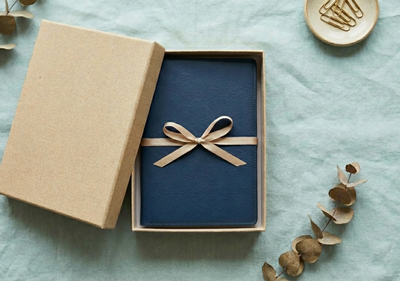
A few years ago, I bought a beautifully bound notebook for a friend who loved writing. Or at least, she said she did. She talked about journaling often, sent me quotes about creativity, had a Pinterest board full of aesthetic desk setups. The notebook is still blank. Too nice to use, she once told me. It’s as if she’s waiting for the perfect idea to start writing in it. Only the idea is never good enough. Whatever the reason, the notebook is just not part of her actual life in any way.
That was when I realized something. We don’t always live the things we aspire to (I personally know this too well. My half finished screenplays know it too.). And when you choose a gift based only on what someone likes, you risk giving them something that never quite finds a place in their day-to-day life. Interests are aspirational. Lifestyle is real.
People are not always reliable narrators of their own habits. We say we love cooking but order takeout three times a week. We claim we’re into fitness but the gym bag stays in the corner. There’s research in behavioral psychology that backs this up. Studies on what’s called the intention-behavior gap show that stated preferences are only moderate predictors of what people actually do. 1
Routine, environment, and friction shape behavior far more than declared interest. This matters for gifting, because a good gift doesn’t live in someone’s imagination. It lives on their desk, in their kitchen, in their daily rhythm. If you want to choose better, stop listening so closely to what people say they like. Start noticing how they live. What’s within arm’s reach when they’re at home. What they carry. What wears out and gets replaced. A friend who always has a water bottle nearby is telling you something. So is someone who works from cafés, or rearranges their space every few months, or collects small comforts like candles or throws. Lifestyle is repetitive. It shows up in patterns, and patterns are easier to gift for.
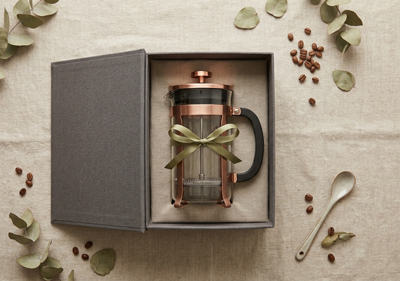
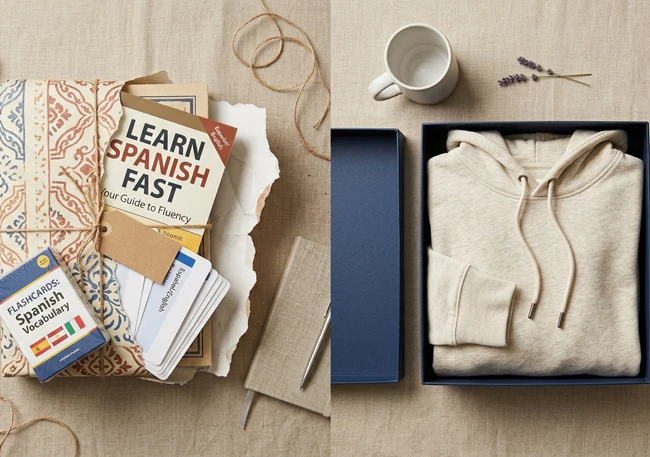
Take coffee. Someone says they love it, which is common, and also a trap. Do they love the ritual of making it at home, adjusting ratios, measuring grounds? Or do they grab it on the way to work? Or sit in cafés for hours with one cup going cold? Each version of “coffee lover” lives a completely different lifestyle. A pour-over kit is perfect for the first person. Completely useless for the second. Slightly annoying for the third. Most gifts go wrong here. They match the headline, not the behavior.
There’s a quiet difference between gifts that impress and gifts that fit. Impressive gifts get a reaction. Fit gifts get used. And over time, the latter matter more. Research published in the Journal of Consumer Research found that recipients tend to value gifts they use frequently more than those that are novel or expensive. Practicality isn’t boring. It integrates. That doesn’t mean defaulting to safe or predictable things. It means the gift should slide into their life without resistance. You’re not trying to upgrade their identity. You’re trying to meet it where it already exists.
A useful reframe: instead of asking what does this person like, ask what does a normal day look like for them. Think through their mornings. Rushed or slow? Do they commute or work from home? Sit, move, socialize? You start to see natural entry points. Someone always rushing out the door might appreciate something that makes mornings smoother. Someone who lingers over breakfast might enjoy something that makes that time richer. It’s less about category, more about context. There’s also a subtle pressure to find something that perfectly captures someone’s personality, something that says I get you. But often, the most thoughtful gifts are quieter than that. They don’t try too hard. They show up, get used, and slowly become part of the background of someone’s life. That’s where meaning builds, not in the moment of unwrapping, but in the small repeated interactions afterward.
There’s research in psychology suggesting that repeated exposure increases attachment. A gift that gets used often has more opportunities to become meaningful.2
Interests still matter, they just need to be filtered through lifestyle. If someone loves fitness and actually works out, that interest is embodied. But if they wish they worked out more, it’s aspirational. And aspirational gifts can be tricky. They can feel like pressure, or worse, like a reminder of something the person isn’t doing. Gifts that support existing habits tend to land better. They don’t ask someone to change. They support who they already are.
One of the most overlooked factors in all of this is friction. People gravitate toward things that are easy to use, easy to access, easy to maintain. If a gift adds friction, even a genuinely good one, it tends to get sidelined. This is why complicated gadgets end up in drawers. A well-chosen gift reduces friction. It makes something the person already does feel smoother, lighter, or more enjoyable. Behavioral economists talk about choice architecture, the way small environmental changes nudge behavior. A good gift works the same way. It doesn’t demand attention. It nudges.
One of the most appreciated gifts I’ve seen someone receive was a set of really good towels. Not luxury-brand. Not flashy. Just noticeably better than what they had. The person had recently moved into a new place and wasn’t particularly interested in home decor, but they valued comfort in small, practical ways. Warm showers, clean spaces, things that felt good to use. The towels fit that lifestyle exactly. They didn’t signal anything about identity. They got used every single day. And over time, they became one of those quiet upgrades you don’t think about until you’re without them. That’s the kind of gift people remember, even if they never say so out loud.
Part of why we default to interests is that they’re easier to talk about. It’s simpler to say they like music than to map out how music actually fits into someone’s life. Interests are visible. Lifestyle is inferred. It takes more attention. But once you start noticing these patterns, it becomes second nature. You begin to see gifts not as objects but as extensions of someone’s routine. There’s a simple way to evaluate a gift after the fact: does it stay within reach? Not sentimentally, but physically. Is it on their desk, in their bag, in their kitchen? Or has it drifted to a shelf, a drawer, a special-occasion corner that rarely gets touched? Good gifts tend to stay close. They earn their place.
That notebook wasn’t a bad gift. It just belonged to a version of my friend that didn’t quite exist in her actual daily life. If I were choosing again, I’d look at how she really spends her time. The things she reaches for without thinking. The small habits that define her days. And I’d start there. The best gifts don’t try to reinvent someone. They simply fit.

Article Sources
1. Faries, Mark D., and Wesley C. Dudgeon. The intention–behavior gap. Lifestyle Medicine, Third Edition (2019): 241-252.
2. Ungvarsky, Janine Mere-exposure effect EBSCO 2023

Dattaraj Pai
I’m the founder of Science of Gifts, a website dedicated to helping people find meaningful and thoughtful gifts. With years of experience researching the psychology of gift-giving, I explore how gifts communicate emotions, strengthen relationships, and create lasting memories.
Beyond writing about gifts, I have a background in storytelling and filmmaking, which fuels my passion for exploring the cultural impact of meaningful gestures.