

How to Pick Clothing as a Gift That Don’t End Up Forgotten
Struggling to choose clothing as a gift? Learn how to pick pieces people will actually wear, with practical insights on style, fit, and everyday habits.

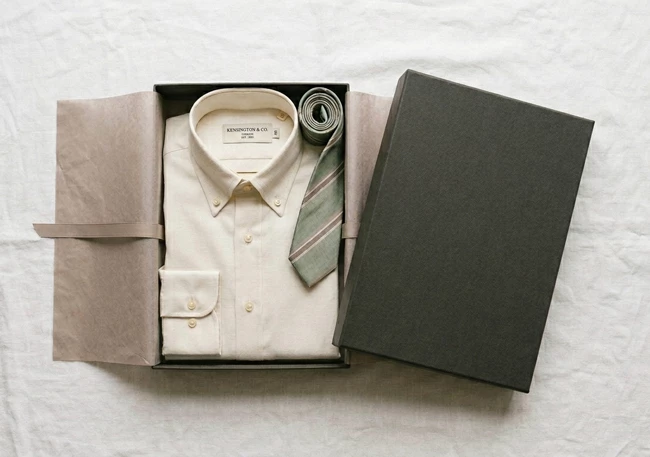
Clothing seems like an easy gift. It’s tangible, useful, and personal without being overly intimate. But anyone who has given a sweater that never leaves the back of a chair knows how quickly it can go wrong. I learned this the hard way.
A few years ago, I bought a friend a shirt I thought was perfect. It matched his “style,” or at least the version of his style I had built in my head. Clean, minimal, slightly oversized. The kind of thing you imagine someone wearing in a well-lit café, reading something serious. He smiled when he opened it. Said thank you. Wore it once. I never saw it again.
At some point, you realize clothing gifts aren’t about taste alone. They’re about habits. Identity. Timing. And a few quiet psychological rules that most people don’t consciously think about.
Most people don’t dress the way they like. They dress the way they’re used to. This sounds obvious, but it’s easy to miss. You see someone admire a jacket, or mention a brand, and assume that’s a safe direction. But admiration doesn’t always translate into adoption. People often like things they don’t feel comfortable wearing.
There’s research around this idea. Studies on self-concept and consumption suggest that people tend to choose products that reinforce their existing identity, not challenge it. A paper published in the Journal of Consumer Research explored how people avoid products that feel misaligned with how they see themselves, even if they objectively like them.1
That explains a lot of unused gifts. So when you’re picking clothing, the question isn’t “Do they like this?” It’s closer to “Does this fit into who they already are on a random Tuesday?”
If you pay attention, people repeat themselves. Same silhouettes. Same colors. Same kinds of fabrics. Open someone’s wardrobe, and you’ll see patterns. Maybe they stick to neutral tones. Maybe they wear graphic tees but never anything formal. Maybe they own five hoodies that are almost identical. That repetition is useful. A safe clothing gift doesn’t introduce something new. It quietly joins what’s already there. It feels familiar enough that it doesn’t require effort.
There’s also a cognitive angle to this. Decision fatigue is real. People tend to default to what’s easy and known, especially in everyday routines. A gift that fits into that loop has a better chance of being used. It’s less exciting, maybe. But it works.
Most people focus on size like it’s a fixed detail. Small, medium, large. But fit is more personal than that. Two people who wear the same size can prefer completely different fits. One might like things relaxed and loose. The other might prefer everything tailored.
This is where clothing gifts often fail quietly. The item technically fits, but it doesn’t feel right. If you’re unsure, it’s usually safer to lean slightly relaxed. Not oversized in a dramatic way, just forgiving. Clothes that allow a bit of movement tend to get worn more. They don’t ask the wearer to adjust themselves. And if you’ve ever watched someone subtly tug at a shirt that’s too tight, you know why that matters.
A good clothing gift has to pass a simple test: does this fit into their actual life? Not their aspirational life. Not the version of them that goes hiking every weekend or attends dinner parties regularly. Their real, slightly repetitive, sometimes boring life.
If someone works from home, structured formalwear is probably not the best bet. If they’re always on the move, delicate fabrics might stay untouched. If they live in a warm climate, heavy layers become more decorative than functional. This is where practicality quietly beats creativity.
There’s a study often cited in gift-giving research that shows recipients tend to value practical gifts more over time, even though givers initially favor novelty. The mismatch is subtle. You think you’re giving something memorable, but the recipient ends up appreciating what they can actually use. Clothing sits right in the middle of that tension.
Clothing feels personal, but there’s a limit. Some items cross into territory that requires a deeper understanding of the person. Things like jeans, formal wear, or anything closely tied to body image can be risky. They involve preferences that are hard to guess and easy to get wrong. Even well-intentioned gifts can feel off. A certain cut, a certain style, even a certain color can carry unintended meaning.
It’s not that you should avoid personal gifts. It’s that you should choose the right kind of personal. A soft hoodie. A well-made t-shirt. A versatile jacket. These are personal without being invasive. They don’t ask the recipient to reinterpret themselves.
There’s something almost underrated about neutral clothing. Not boring, just adaptable. A plain black hoodie, a muted earth-tone shirt, a classic white tee. These pieces don’t demand attention, but they get worn. They fit into multiple outfits. They don’t compete with what someone already owns. There’s also the fact that minimalist gifts also feel premium to the recipient.
In a way, they respect the recipient’s existing style instead of trying to redefine it. There’s also a psychological ease to neutral items. They reduce the friction of decision-making. You don’t have to think too much before wearing them. And that’s often what determines whether something becomes part of a routine. Don’t give roman history inspired hoodie to someone you’ve never see wearing printed designs, even if they’re obsessed with ancient Rome history.
Timing also matters more than you think it does. Clothing is seasonal, but it’s also emotional. A jacket given at the start of winter feels thoughtful. The same jacket given at the end of the season feels slightly misplaced. Not wrong, just… off.
There’s also personal timing. Someone going through a transition, a new job, a move, a shift in lifestyle might be more open to different kinds of clothing. At other times, people tend to stick to what’s familiar. This is harder to measure, but you can usually sense it. Good gifts often arrive when they feel needed, not just when they’re given.
Clothing gifts carry a message, even when you don’t intend them to.
“This reminded me of you.”
“I thought this would suit you.”
“I see you this way.”
Sometimes that lands well. Sometimes it doesn’t. There’s an interesting line of research in gift-giving psychology that suggests people evaluate gifts not just on usefulness, but on how accurately they feel “seen” by the giver. When the gift aligns with their self-view, it strengthens the relationship. When it doesn’t, it creates a small disconnect.
That’s why clothing can feel risky. It’s visible. It’s worn in public. It becomes part of how someone presents themselves. You’re not just giving a product. You’re offering a perspective.
If there’s one shift that makes clothing gifts easier, it’s this: stop trying to impress, and start trying to fit. Fit into their routine. Fit into their comfort zone. Fit into what they already reach for without thinking.
It sounds less exciting, and maybe it is. But it’s also more accurate. The best clothing gifts don’t stand out immediately. They blend in, and then slowly become favorites.
That shirt I mentioned earlier? Months later, I asked my friend about it. Not directly. It came up in conversation, the way these things do. He told me it felt “a bit too much” for him. Not in a bad way. Just not something he’d naturally wear. He liked it, but he didn’t feel like himself in it. That distinction stayed with me. Liking something is easy. Wearing it is different. And that’s really what you’re trying to get right. Not the moment they open the gift. Not the reaction. But the quiet, unremarkable moment when they choose it from their wardrobe without thinking twice.
That’s when you know you didn’t get it wrong.

Article Sources
1. Berger, Jonah, and Chip Heath. Where consumers diverge from others: Identity signaling and product domains. Journal of consumer research 34.2 (2007): 121-134.

Dattaraj Pai
I’m the founder of Science of Gifts, a website dedicated to helping people find meaningful and thoughtful gifts. With years of experience researching the psychology of gift-giving, I explore how gifts communicate emotions, strengthen relationships, and create lasting memories.
Beyond writing about gifts, I have a background in storytelling and filmmaking, which fuels my passion for exploring the cultural impact of meaningful gestures.