

How to Choose a Gift Someone Will Actually Use
Struggling to pick the right gift? Learn how to choose something they’ll actually use by focusing on habits, usefulness, and real-life behavior, not guesswork.

There’s a quiet graveyard in most homes. A drawer, a shelf, sometimes an entire cupboard. It holds the well-intentioned gifts that didn’t quite land. A scented candle that smelled like an airport lounge. A novelty mug that made sense for about three seconds. A shirt that almost fit.
The problem isn’t generosity. It’s translation. Somewhere between what we think a person likes and how they actually live, something gets lost.
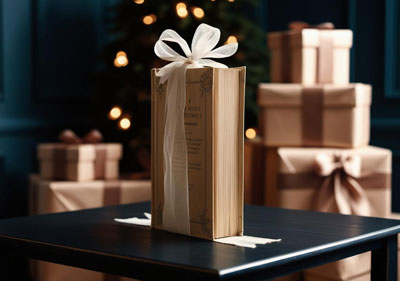
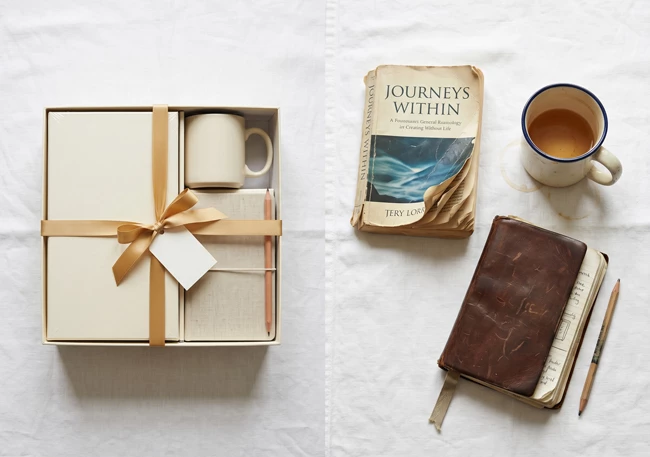
I learned this the mildly embarrassing way. A few years ago, I gave a close friend a beautifully designed leather journal. Thick pages, elegant binding, the kind of thing that makes you feel like you should be writing poetry even if you’re just making a grocery list. He opened it, smiled, said all the right things. Six months later, I saw it again. Still wrapped in its original paper, tucked inside a drawer. It wasn’t that he didn’t like it. He just wasn’t the kind of person who writes things down. That’s the gap most gifts fall into.
The more useful question isn’t what they like. It’s what they actually do on a Tuesday. Those are different questions and they produce very different answers. Behavioral research consistently shows that habits, not intentions, predict action. Someone can love the idea of journaling, cooking elaborate meals, or working out every morning. But their day to day life tells a different story. If someone drinks coffee twice a day, a well-made mug has a natural place in their routine. If they wear the same three shirts on rotation, another shirt in that exact style will get used far more than something experimental. It sounds almost too practical. It is. And it works.
The instinct to go symbolic pulls in the opposite direction. To choose something that represents a memory, an inside joke, a version of the person we admire. That’s where gifts quietly drift into decoration instead of utility. A study published in the Journal of Consumer Research found that gift givers often prioritize how thoughtful a gift appears, while recipients tend to value usefulness more than expected. 1
In other words, we’re trying to impress. They’re trying to live with it. That mismatch creates friction. Meaning doesn’t disappear in a useful object. It just has somewhere to go. A notebook that sits untouched doesn’t remind anyone of you. A water bottle they carry every day does. Having said that practical gifts aren’t right for every recipient or ocassion. As much of a practical gift you think that coffee maker is, don’t gift it your girl on V day.
The gifts that tend to stick are usually improvements on something that already exists in their life. Not a replacement. Just a better version of the same thing. You’re not introducing a new behavior. You’re improving an existing one. There’s also something quietly flattering about it. It says, I noticed. Which, if you think about it, is most of what people mean when they say they want a thoughtful gift.
People reveal what they need through small complaints they’ve mostly stopped making. The charger that never works properly. The kitchen knife that’s gone blunt. The headphones that keep disconnecting. These aren’t dramatic problems, so they rarely get solved. Which makes them perfect opportunities. A gift that removes a recurring annoyance has an immediate usefulness that most gifts can’t compete with, and it gets adopted quickly because it makes life easier without requiring any adjustment.
There’s a version of gift giving that feels generous but is mostly a bet. Buying running shoes because a person has talked about getting into fitness assumes intent will turn into action. Sometimes it does. Often it doesn’t. And when it doesn’t, the gift becomes a quiet reminder of something they didn’t follow through on. Psychologists call this the intention-behavior gap. People frequently overestimate how likely they are to adopt new habits, and gift givers tend to make the same mistake on their behalf.2
The safer version of optimism is adjacent to reality. Not a new hobby. A slightly better version of a current one.
Clothing is where this all gets quietly complicated. Not because sizing is hard, but because preference is precise. Fit, fabric, color, how something sits on the shoulders. These are things people dial in over years. What tends to work is staying close to what they already reach for. Same color palette, same silhouette, same level of casual or formal.
It might feel less creative. It’s actually more accurate. Consumer psychology research suggests people experience more satisfaction when new items align with existing preferences rather than challenge them. Familiarity reduces the mental cost of adoption, and adoption is what you’re aiming for.
A simple item used daily will create more value than an expensive one used once a year. This sounds obvious, but it’s easy to ignore when you’re trying to make a gift feel “significant.” Significance doesn’t come from price. It comes from presence.
Cost is probably the most overrated variable in this whole thing. Frequency matters more. A simple object used daily will create more value than an expensive one used once a year. A ten dollar item that shows up in someone’s routine three hundred times a year quietly outperforms a hundred dollar object that sits on a shelf. Over time, that math becomes emotional. Simple doesn’t have to be boring though. A beautiful Hades themed water bottle for a recipient who loves Greek gods is something they will use that is also personal and memorable.
There’s a question worth asking before committing to anything. Would they borrow this if I owned it? Borrowing is a stronger signal than most people give it credit for. It means actual, situational want. Not just approval.
Some gifts create work before they create anything else. A complicated gadget that needs setup. A kit that requires sustained effort. Something that introduces decisions before it delivers any value. The best everyday gifts tend to be simple. No instructions, no commitment. Pick it up, use it, move on. There’s a quiet elegance to that.
A gift doesn’t land in a vacuum. It enters a life that already has patterns, preferences, and constraints. Space matters. Climate matters. A heavy blanket might be perfect in one place and completely impractical in another. A decorative item might feel cluttered in a minimalist home. The more a gift aligns with the person’s actual environment, the easier it integrates. In fact people prefer gifts they can display. Whether they’re comfortable enough to display it or not depends on how close you’re to the mark.
People don’t remember gifts as objects. They remember them as moments. But the objects that stay in use keep recreating that moment in small ways. A mug used every morning. A jacket worn every week. A tool reached for without thinking. Each time, there’s a faint echo of where it came from. That’s what makes useful gifts quietly powerful. They don’t peak on the day they’re given. They accumulate meaning over time.
Most of this comes down to paying attention to the right things. What do they reach for without thinking? What do they use until it wears out? What annoys them just enough to mention, but not enough to fix?
That leather journal taught me something I probably should have known. People don’t need help becoming who they might be someday. Most of the time, they just need something that fits who they already are. And when a gift does that well, it doesn’t end up in a drawer. It stays.

Article Sources
1. Baskin, Ernest, et al. Why feasibility matters more to gift receivers than to givers: A construal-level approach to gift giving. Journal of Consumer Research 41.1 (2014): 169-182.
2. Sheeran, Paschal, and Thomas L. Webb. The intention–behavior gap. Social and personality psychology compass 10.9 (2016): 503-518.

Dattaraj Pai
I’m the founder of Science of Gifts, a website dedicated to helping people find meaningful and thoughtful gifts. With years of experience researching the psychology of gift-giving, I explore how gifts communicate emotions, strengthen relationships, and create lasting memories.
Beyond writing about gifts, I have a background in storytelling and filmmaking, which fuels my passion for exploring the cultural impact of meaningful gestures.